
Special application MA-LC MA-LCM
Download PDF datasheet
MECHANIC LOAD LIMITER
The load limiters of the MA-LC series are applied to the fixed rope with a simple operation.
The complete series covers a range of standard applications up to 10,000 kg pull on the rope with one or two intervention thresholds.
For different applications, models with more intervention thresholds and higher nominal loads are produced on specific request.
The basic models are powder coated and with galvanized parts, while for installation in outdoor environments or exposition to particularly corrosive agents, models are made entirely of stainless steel and with anti-explosive limit switches
- Maximum electrical load: 250V - 15A
- Mechanical life: 3,000,000 operating cycles
- Insulation class (IP): IP 64 load limiter - IP 67 safety switches
- Operating temperature: -20 ° to +50 °
- Standard cable: 4m
Click on the image to enlarge
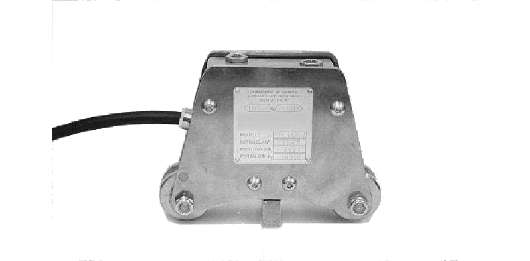
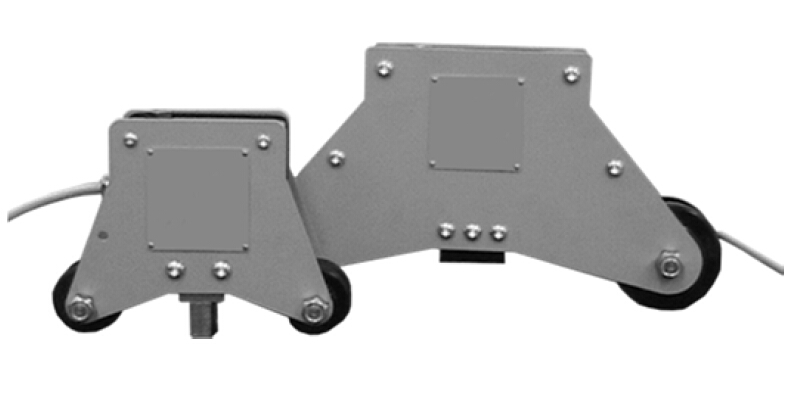

Technical specifications
| Output | Optional 0-10 V or 4-20 mA |
|---|---|
| Operating temperature | -20 / +50°C (-4 / +122°F) |
| Protection class | IP 64 – load limiter, IP 67 – safety end switch |
| Standard cable length | 4 m |
For complete and up-to-date technical specifications please refer to the datasheet you can download here
Download PDF datasheet Load cell mounting
General guidelines for installing and mounting load cells:
- Respect the direction in which forces are applied to the load cells
- Do not exceed the temperature limits shown on the rating plate
- Do not remove the labels from the cells
- Protect cables properly with sheaths or cable ducts
- Connect each cell to earth with a suitable cable, bridging the plates of the mounting accessories if necessary
- Do not weld on the mechanical structure once the cells are in place
- Avoid or minimise mechanical constraints between the fixed structure and the weighed structure, to prevent weighing errors and zero return problems
- When vibrations or dynamic loads are present, protect the cells with anti-vibration mounts
- Protect the cells from dust build-up with suitable covers